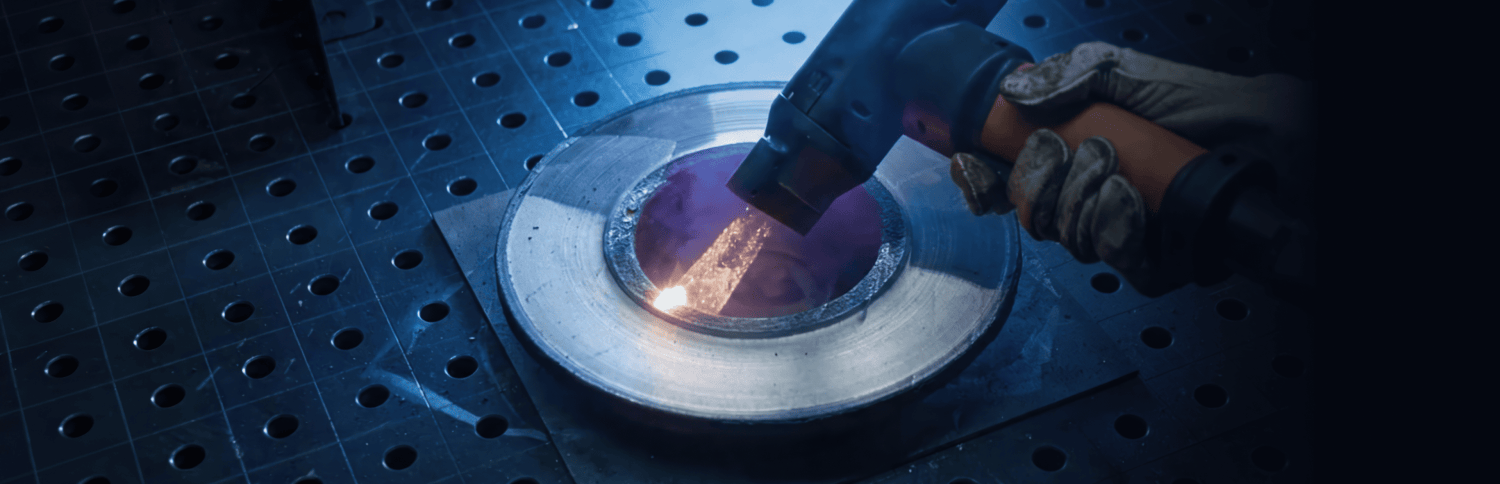
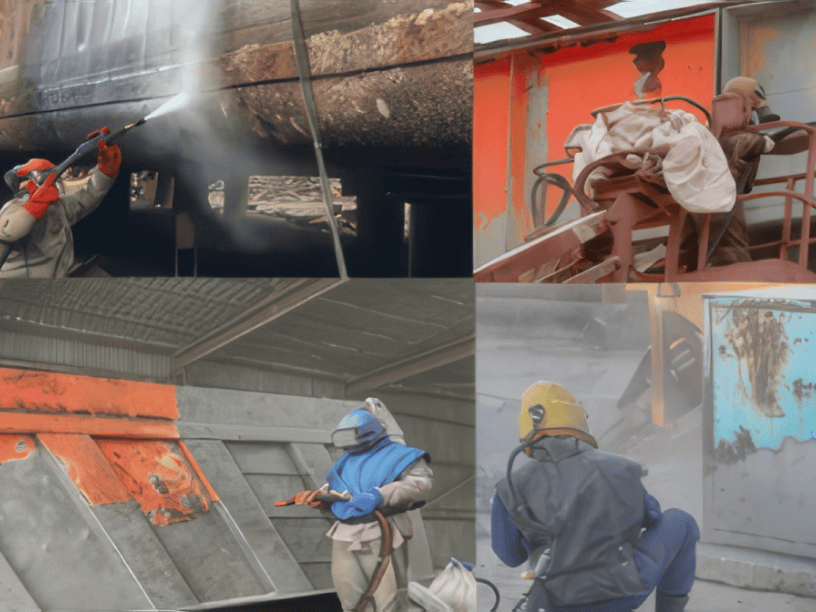
In modern industry, surface preparation is critical for both efficiency and product quality. Whether removing rust, paint, oxides, or other contaminants, manufacturers have long relied on chemical solvents or abrasive blasting. While effective, these methods pose environmental and safety risks, consume large amounts of consumables, and often damage the underlying material.
Laser cleaning offers a breakthrough alternative. By using high-intensity light instead of chemicals or abrasives, it enables precise removal of unwanted layers without contact, dust, or hazardous waste. For industries ranging from automotive and aerospace to energy and urban monuments and landmark structures, laser systems provide a fast, safe, and environmentally responsible solution.
This article explains what is laser cleaning, explores how laser cleaning works, and evaluates its advantages compared to traditional approaches. We will also look at applications, industries, and VPG’s LightClean product line that is setting new benchmarks in the field.
What Is Laser Cleaning?
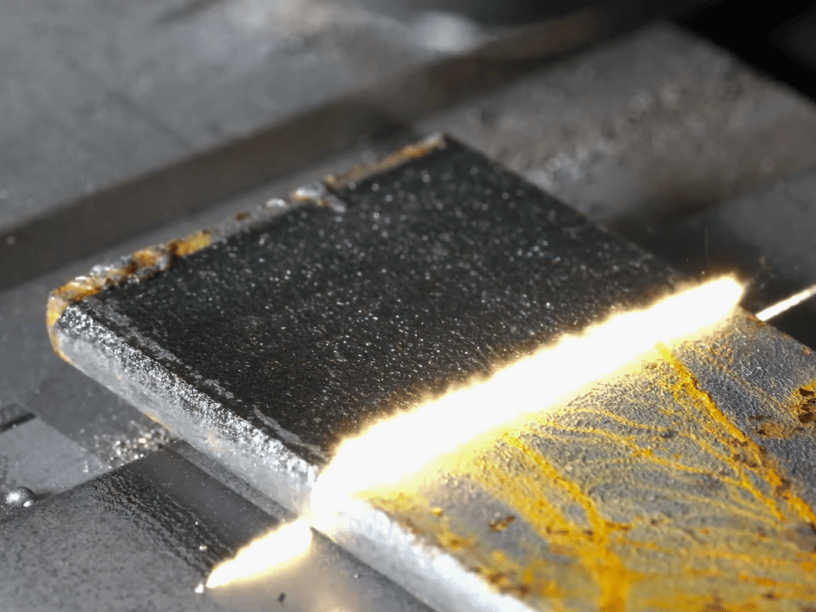
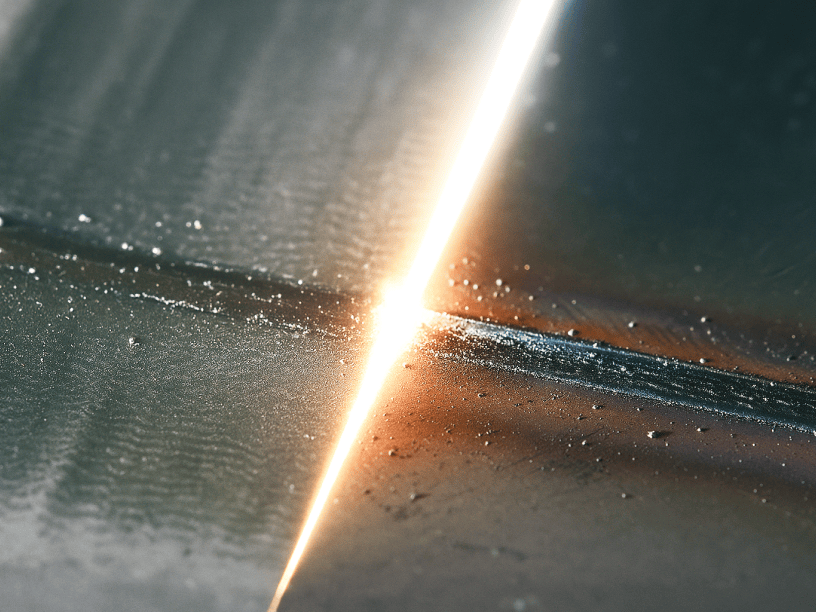
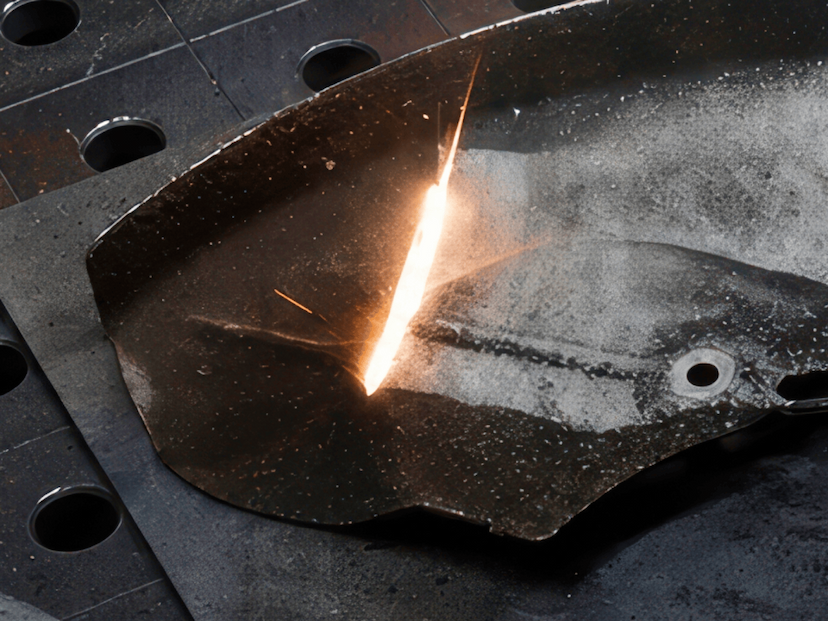
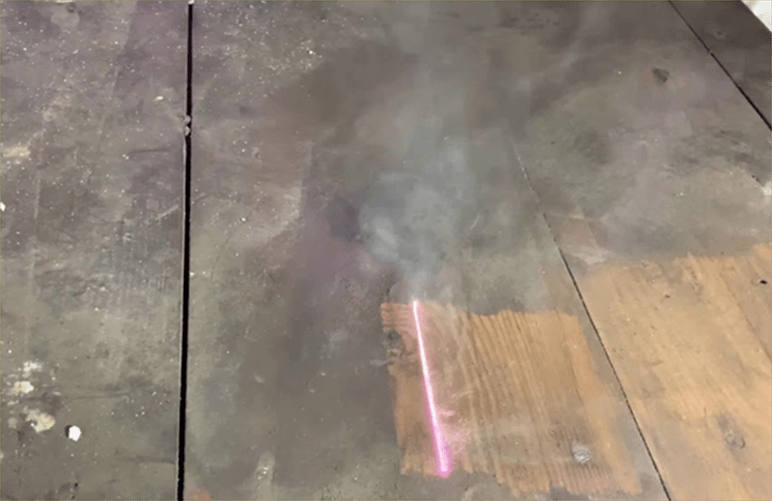
Laser cleaning is an advanced non-contact surface treatment technology that employs highly concentrated pulses of laser energy to precisely remove unwanted layers such as rust, paint, oxides, grease, or other contaminants. Unlike sandblasting or chemical baths, it requires no consumables and generates minimal secondary waste.
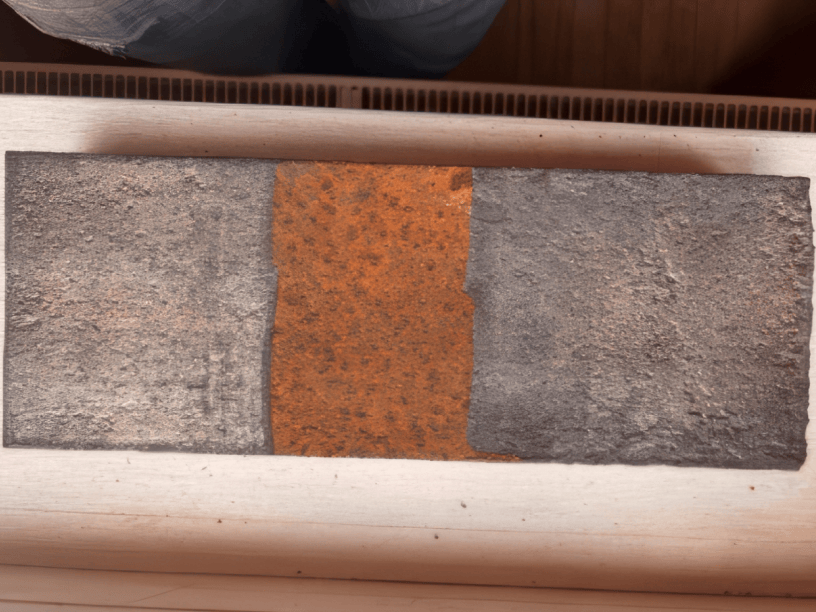
- A laser rust cleaner can strip corrosion from steel without damaging the base metal.
- A laser metal cleaner removes coatings or oxides to prepare surfaces for welding.
- Portable handheld systems like VPG’s LightClean make laser cleaning practical in industrial settings and on large structures.
In short, laser cleaning represents a next-generation surface preparation technique that is clean, precise, and adaptable across industries.
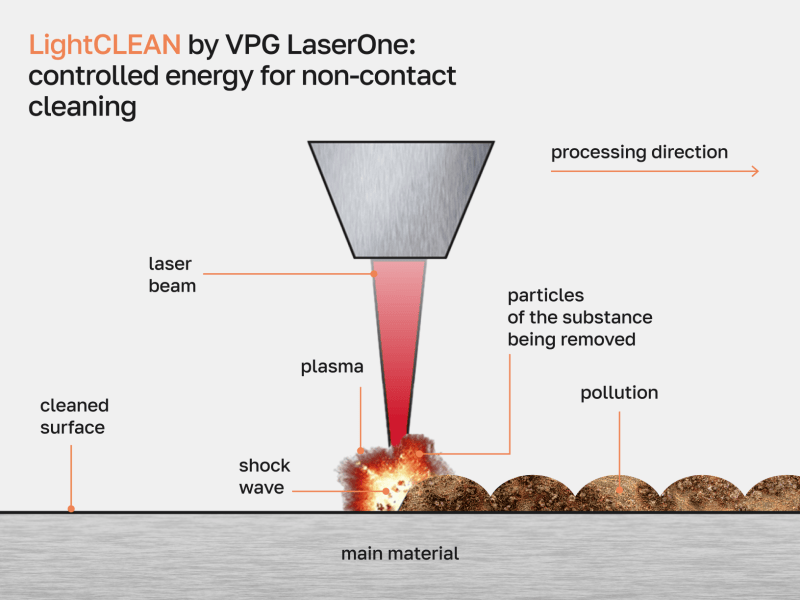
How Does Laser Cleaning Work?
To understand how laser cleaning works, consider the interaction of light and matter:
- Absorption – The contaminant layer (rust, paint, oxide) absorbs laser energy more efficiently than the base material.
- Heating – Rapid heating creates micro-expansions and vaporization in the contaminant layer.
- Ablation – The contaminant is lifted off the surface in a controlled way, leaving the underlying material intact.
This explains how does laser cleaning work without chemicals or abrasives:
Selective energy delivery enables effective cleaning while protecting the substrate.
Key Features of Fiber Laser Cleaning Systems:
- Non-contact, precise surface preparation.
- Adjustable pulse durations (nanosecond, picosecond, or quasi-continuous).
- Safe for operators and environmentally friendly.
Every Material Has a Cleaning Threshold
Just as in micromachining, every material has an ablation threshold. This is the minimum laser energy density required to remove contaminants without damaging the underlying substrate.
- Metals like steel and aluminum require higher fluence to strip rust or oxides.
- Polymers and composites need lower settings to avoid deformation.
- Delicate surfaces such as historic stonework demand extremely controlled parameters.
Example: A laser to remove rust from structural steel must balance fluence: too high may roughen the surface, too low may leave residual oxide.
Key Points:
- Material-specific thresholds ensure safety and precision.
- Proper calibration improves throughput and lowers costs.
- Tailoring parameters unlocks reliable performance in sensitive applications.
Selective Removal for Greater Control
One of the main strengths of industrial laser cleaning is selectivity. Because contaminants absorb laser energy differently than base materials, lasers can remove coatings while leaving substrates untouched.
- Ideal for weld preparation where only surface oxides must be removed.
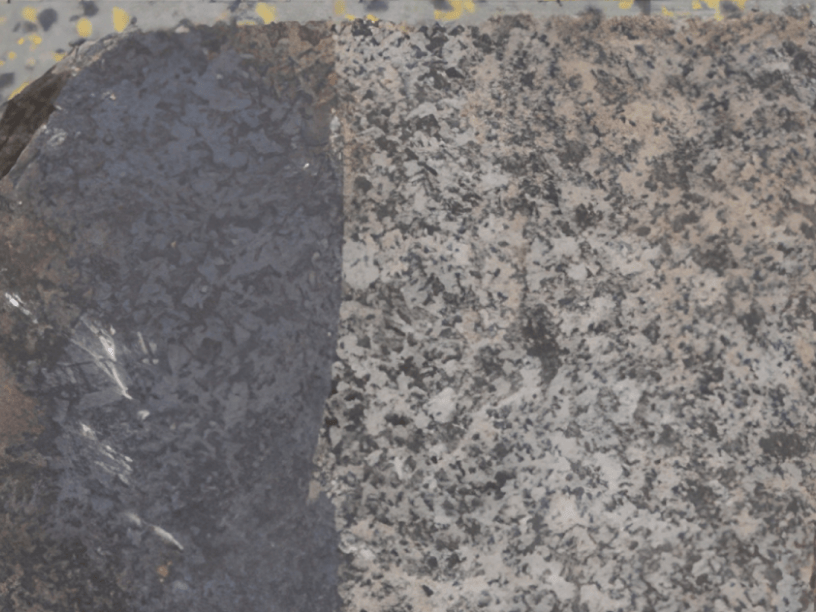
- Used in the restoration of urban monuments and landmark structures to clean surfaces without damaging the original material.
- Valuable in electronics to strip coatings from components without damaging substrates.
This selective capability sets laser clean technology apart from abrasive blasting, which often removes both coating and base material.
Power Bursts for Faster Removal
Next-generation fiber lasers deliver short, powerful bursts of light, enabling rapid material removal with minimal heat diffusion. This ensures clean surfaces without thermal damage.
Performance Benefits:
- Faster cleaning cycles compared to traditional methods.
- Reduced post-cleaning finishing requirements.
- Consistent quality across large-scale industrial jobs.
Example: In shipbuilding, a laser metal cleaner can prepare steel surfaces for painting in a fraction of the time needed by blasting, while also reducing waste.
Consumable-Free and Environmentally Friendly
Unlike sandblasting or chemical cleaning, laser cleaning uses no consumables. This delivers both economic and ecological benefits:
- No abrasive media to purchase, transport, or dispose of.
- No hazardous chemicals, ensuring operator safety.
- Reduced CO₂ footprint and compliance with environmental regulations.
For enterprises aiming at sustainable manufacturing, laser systems are a clear step forward.
Industrial Applications of Laser Cleaning
Laser cleaning is versatile and serves multiple industries.
Applications include:
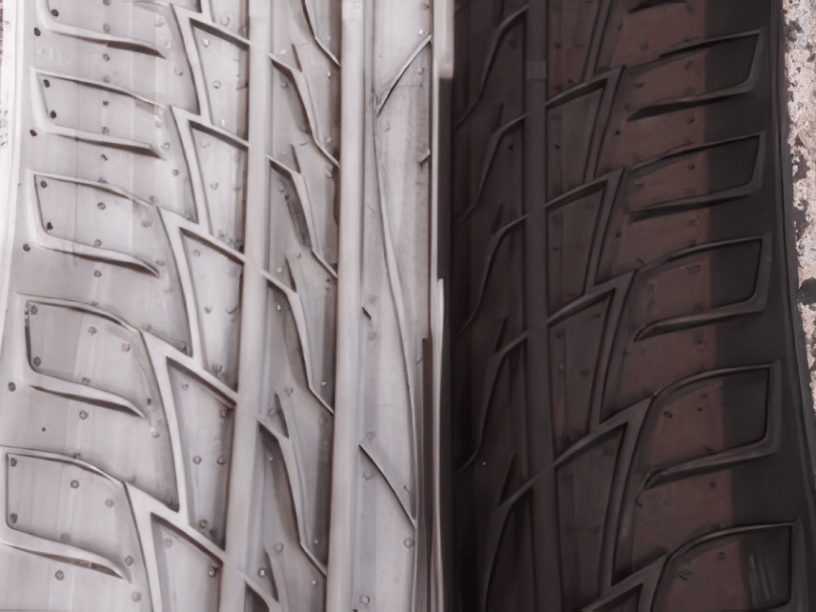
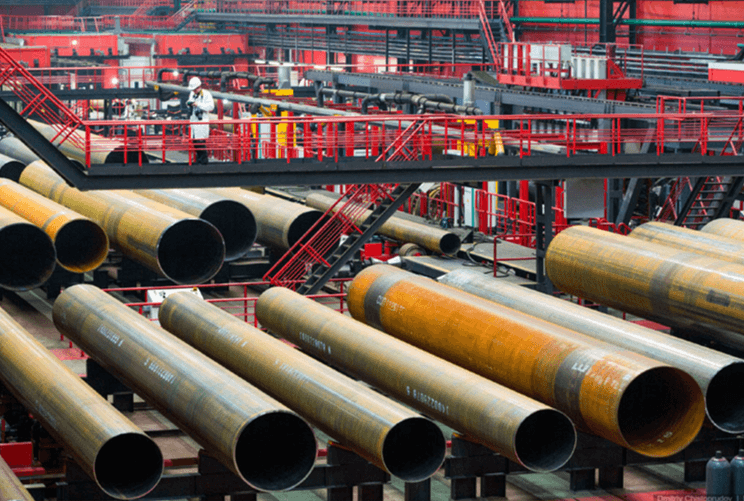
- Rust removal from pipelines, automotive frames, and steel bridges.
- Oxide removal for welding and coating preparation.
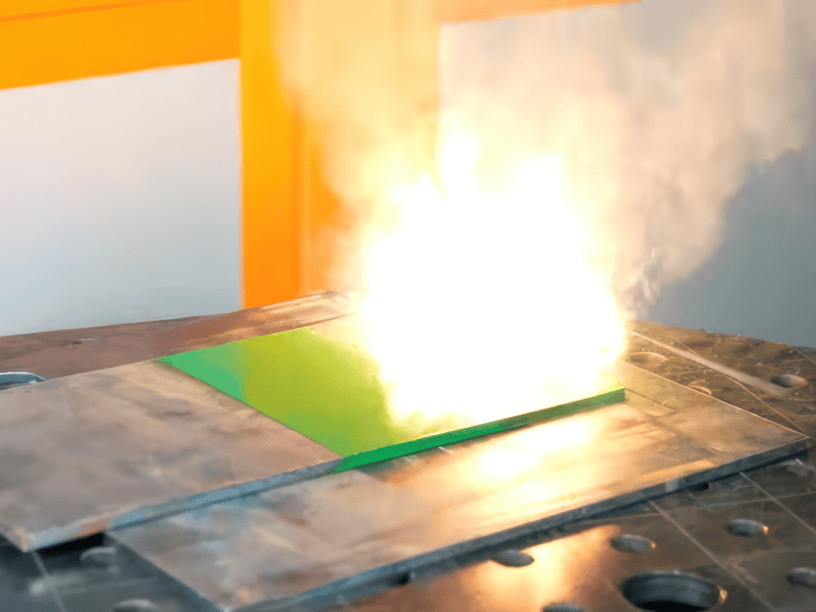
- Paint stripping from aircraft fuselages and ships.
- Surface restoration of urban monuments and landmark structures.
Numbered List of Key Advantages:
- Adaptability to a wide range of surfaces.
- Controlled, non-destructive cleaning.
- Reduced labor and downtime.
- Improved operator safety.
What Are the Advantages of Laser Cleaning?
- High precision with no damage to base materials.
- Low operational cost compared to abrasive or chemical methods.
- Portability with handheld laser rust cleaner units.
- Scalability for large industrial structures.
- Compliance with strict safety and environmental regulations.
Surface Cleaning Comparisons
| Method | Precision | Waste & Consumables | Safety | Environmental Impact |
| Abrasive Blasting | Low | High (media use) | Dust hazards | High |
| Dry Ice Blasting | Medium | Medium | Cold exposure | Moderate |
| Thermal Cleaning | Medium | Fuel consumption | Fire hazard | High |
| Laser Cleaning | High | None | Safe, non-contact | Low, eco-friendly |
How Is Laser Cleaning Used?
Laser cleaning systems can be automated or handheld, depending on application:
- Automated systems for assembly lines, ensuring repeatable cleaning before welding or coating.
- Handheld systems (like VPG’s LightClean) for flexible, on-site cleaning of large or irregular surfaces.
Both options demonstrate why laser clean technology is becoming the preferred choice across industries.
What Industries Use Laser Cleaning?
Laser cleaning is widely adopted across sectors:
- Automotive – rust and paint removal on body frames.
- Aerospace – stripping coatings without harming structural integrity.
- Energy & Oil & Gas – oxide removal for pipeline welding.
- Shipbuilding & Rail – cleaning large steel surfaces before coating.
- Electronics – preparing delicate components without damage.
Relevant Products
- VPG LightClean Handheld Lasers – portable laser rust cleaner systems for industrial and field use.
- FL-CPM Welding & Cleaning Systems – integrated welding and cleaning solutions for heavy industry.
- VPG Fiber Laser Sources – powering precision cleaning and surface preparation applications.
Summary
Laser cleaning is a transformative technology offering precise, consumable-free, and environmentally responsible surface preparation. By understanding what is laser cleaning and how laser cleaning works, industries can replace outdated, waste-heavy methods with sustainable laser-based solutions.
From handheld laser rust cleaners for field operations to automated industrial laser cleaning systems, the advantages are clear: